Learning from the Autumn Leaves: Roadschooling 101

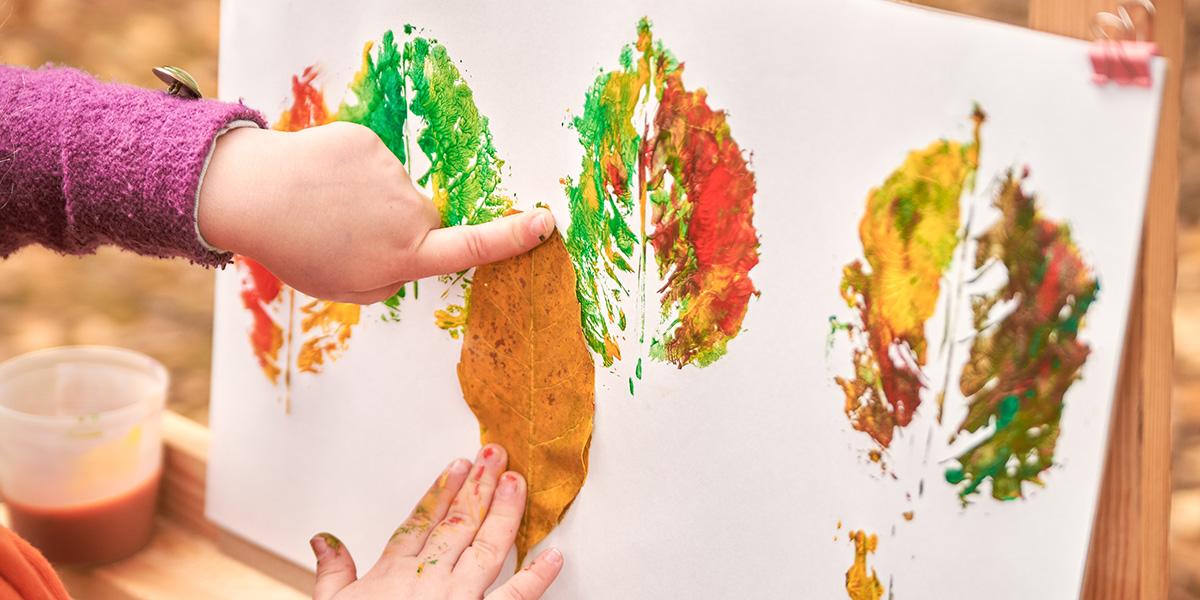
Traveling by RV in autumn is simply a thing of wonder, whether you’re a 4-year-old or 44-year-old. A mere glance out the window reveals transformative landscapes awash in brilliant foliage. Seemingly, every mile appears dipped in a unique patchwork of fall color. As we roam, the scenery morphs into an evolving palette unfurling at every turn. And make no mistake, roadschooling parent: This explosion of color is a gateway for learning. The key to our children’s interest is curiosity. So, for every student staring out at nature’s autumn artwork, there is a roadschooling lesson waiting.
So, let’s take a look a some ways you can use the autumn season to shape your roadschooling syllabus.
Target Prime Autumn Geography
Whether you’re in winter, spring, summer, or autumn, geography is a always great place to start with a roadschooling lesson. You’re on the move regularly, so your kids have an innate understanding of nomadic life and the deeper cultural inferences of moving from place to place.
So, as you plan your travel for fall, start with a foliage map.
Before heading to any new place, I like to look at a map with my kiddos. We go over where we have been and then where we are going. In the fall, you can pair this idea with a foliage map. This can be made by printing a coloring map of the country and allowing your kids to color in the vibrant hues they see based on the places they go. You can make this interactive by getting stickers or push pins to mark where you’ve been, and where you plan to go.
Also — and this is a fun one — involve your kids in the planning!
If you are chasing color this fall, then you are probably aware of how complex that can be. Each area has a different peak season, and it often varies from year to year. Let your kids chase the colors with you. You can boost excitement about the most anticipated landmarks while keeping them informed of each new destination. Their participation will also increase the joy they get when you actually arrive and have your lessons.
Let a Leaf Journal Go Its Own Way
I like to start any new educational subject with a journal. When my kids journal their findings, they always open new doors of interest through creative expression. In the autumn, leaves are the perfect subject for a roadschooling journal entry.
Go on a hike and make sure they have their adventure packs on for treasure collecting. Pack tape, pens and pencils (to outline leaf shapes), and tracing paper.
Ask them to make their own observations. Sometimes, the most effective journaling has no end goal at all. Simple observations can be a powerful tool for learning and experiencing. Encourage them to explore shapes, textures, edges, veins, and motion as the leaves make their way to the ground. The process of noticing is often more valuable than arriving at an answer or finished product.
After leaves have been collected and taped inside the journal, sit down with a field guide book. Can your kids identify the trees? Have them write down the name of the tree next to each leaf. Include the place where each leaf was found. As they fill in the pages with leaves from different areas, they may start to notice some patterns.
Which leaves are found in certain climates?
Which trees appear across multiple states?
Before long, you will find that these simple journal activities are helping to raise little naturalists. Observations, questions, and discovery will nurture a lifelong curiosity about the natural world.
Get Messy with Some Leaf Art
By now, their interest is sparked and their treasures have been collected. The real fun can begin: artwork.
Pressed floral frames are a stunning way to arrange and display little natural treasures. Fall leaves will showcase beautifully in these simple glass frames. Also, get messy and creative with leaf collages. This fun project can go any which way. You can go wild with magazine cutouts and finger paint. Or you can make neat little compositions of animals and landscapes. Either way, the bigger the mess, the more points you will get with your kids.
Want to surprise and delight your little students? Let them make paper.
Now, this is a more involved process, but it is well worth the time and steps involved. If you are traveling with an older, artistically inclined child, this is a stunning craft to involve them in. The paper is made from leaf and plant fibers, and flowers can be adhered to the paper afterward for beautiful, natural compositions. Sun Print paper is a great way to explore the different shapes of the leaves. Your kids can arrange the raw shapes of each leaf, exploring form and design in each print.
Just Talk About Trees
Every leaf tells a story. And each tree has a history. Many trees carry cultural significance that can open the door to local history conversations. Children can learn how Native peoples used certain species, why settlers planted others, and how local ecosystems depend on them today.
Revisit the Most Classic Fall Activity
Step one: Find a rake.
Step two: Fnd a tree generously shedding its leaves.
And step three: Make a pile, and … I think you know the rest of the drill here.
Don’t be shy. Pile those leaves high and deep for the full effect. Your kids will beg you for another toss into the air as they echo with delight. Accept that you will be finding bits of autumn in their boots and pockets for some time to come, and count is a small roadschooling expense.
This is probably the most important lesson they will learn here, which is to simply have fun.
Olivia de Soria
You might also like


