FTC Issues Warning About Fake RV Dealers Online

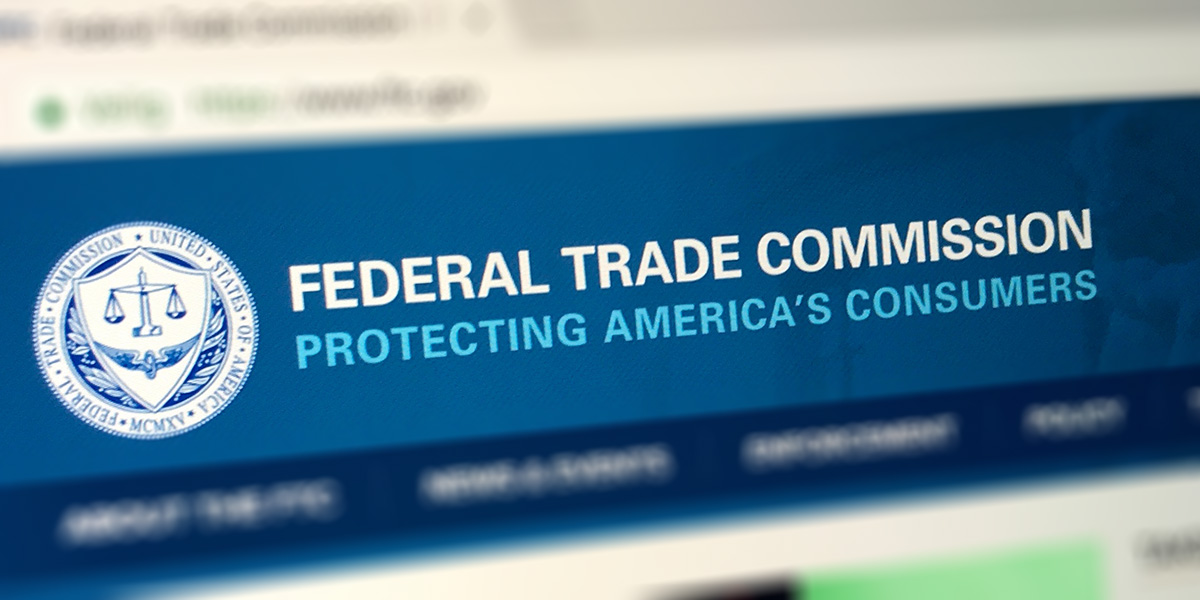
WASHINGTON, DC – The Federal Trade Commission (FTC) is warning automotive shoppers about scammers creating fake dealership websites that closely copy legitimate businesses, then using those sites to collect upfront payments for vehicles that do not exist. For RV buyers considering an out-of-state or remote purchase, the FTC warning about fake car and RV dealers is a reminder to verify the dealership and the specific vehicle before sending money.
Scammers Clone Real Dealership Websites
In a September 1 consumer alert, the FTC says scammers are cloning real dealership websites, sometimes using artificial intelligence to copy logos, inventory photos, vehicle listings, and other details. Some fake sites also include customer testimonials, return policies, and detailed explanations of the buying process to make the operation appear legitimate.
The scam can be especially convincing because the business being impersonated may be real. The FTC says some buyers do not discover the deception until they contact or arrive at the legitimate dealership after sending payment. A buyer searching the dealership name could find legitimate reviews and assume the cloned website belongs to the same company. The FTC says some scammers also use rare or hard-to-find vehicles to attract buyers and create urgency around a purchase.
RV Dealers Are Being Warned, Too
RV News reports that the FTC warning has also drawn attention to the danger of fake RV dealers within the industry. The trade publication highlights guidance from dealer compliance firm Accelerate2Compliance encouraging dealerships to search for look-alike domains, monitor unauthorized inventory listings and clearly publish their official website and payment channels.
That matters for RV buyers considering a remote purchase when a particular floorplan, brand or used model is not available locally. A professional-looking website alone is not enough to confirm that the seller actually controls the advertised RV or that the payment instructions are legitimate.
How Buyers Can Verify a Dealership
The FTC recommends searching the dealership name with terms such as “scam,” “review” or “complaint.” Buyers should also ask to see the vehicle and dealership in person when practical. If distance makes that impossible, the FTC suggests arranging for an independent mobile inspection service to examine the vehicle. A seller that refuses an inspection is a reason to reconsider the transaction.
Payment method is another major warning sign. The FTC advises buyers to walk away if a dealership insists that an upfront payment must be made only by wire transfer. RV News also notes that dealers can help by telling customers which URLs and payment portals are official and encouraging buyers to call before sending money.
Verify Before Sending Money
Before placing a deposit or paying for an RV found online, buyers should independently verify the dealer’s contact information, confirm that the specific unit is physically available and arrange an in-person viewing or independent mobile inspection before sending money. If a buyer encounters a suspected dealership-impersonation scam, the FTC directs consumers to report it through ReportFraud.ftc.gov.
Gabriel Rivero
You might also like


