Great Smoky Mountains National Park: RV Camping and Travel Guide



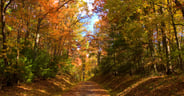

Quite simply, the Great Smoky Mountains National Park is a park of superlatives. It is THE most visited park in the nation with over 36,000 visitors per day. For perspective, its 13.3 million visitors, from last year alone, is greater than the total annual visitations to Yosemite, Yellowstone, and Grand Canyon combined!
So, why do countless daily visitors flock to this iconic park? What do millions expect to find in a park that straddles the Appalachian ridge lines between North Carolina and Tennessee? As you might expect, it’s a combination of many things, from its beauty and sweeping mountain views to its numerous hiking opportunities. The park itself covers 519,680 acres, making it one of the largest protected, natural areas in the East.
In terms of wildlife, the Great Smoky Mountains National Park is the most biodiverse park in the U.S. It’s geology is equally fascinating. Park elevations range from 875 feet at Abrams Creek to 6,643 feet at Kuwohi (formerly Clingmans Dome), which why it offers the greatest number of life zones. Sixteen mountain peaks go above 6,000 feet. While not the tallest, they are the oldest in North America. Some outcroppings contain rocks formed during the Precambrian era — over 1.1 billion years ago! Small wonder it is an International Biosphere Reserve and World Heritage Site.
But best of all? It’s infinitely accessible by RV. Let’s talk about that.
Scenic Drives
Nearly 400 miles of roads lead from mountain streams, waterfalls, and historic buildings to panoramic views of hardwood forests stretching as far as your eyes can see.
Drive each of the five distinct park areas to experience the diversity of the landscape. Those fives areas in Great Smoky Mountain National Park are: Cades Cove, Cataloochee & Balsam Mountain, Foothills Parkway East, Roaring Fork, and Kuwohi & Newfound Gap.
With all of these driving options and park visitors, staying safe requires extra vigilance especially with a longer RV. The winding mountain roads, wildlife, other visitors, and motorcyclists hugging the yellow line can all cause a potential collision and injury — so go slow and leave the sight-seeing to your passengers.
Note: Most roads are paved and the gravel roads are typically maintained in suitable condition for standard passenger cars.


Must-Hike Trails
With 150 trails totaling 848 miles within the park, including 74 miles of the famous Appalachian Trail, there are options for every skill level. A quick stop at one of the four visitor centers can give you some great trail information. Here are a few popular options.
- Alum Cave Trail to Mount LeConte. This challenging 11-mile trail leads hikers through dense forest and up over 3,000 feet to spectacular summits. Difficulty Level: Hard
- Charlie’s Bunion via Appalachian Mountain Trail. This peculiarly named 8-mile trail winds along the summit ridge line, highlighting not only the best of the Appalachians, but also their sense of humor. It’s 1,800 feet of up and at ‘em! Difficulty Level: Moderate
- Laurel Falls Trail. This 2.4-mile trail leads to a classic Appalachian waterfall, gaining only 403 feet. Difficulty Level: Easy
Here’s a fun fact for you: The park offers hiking mileage pins to reward folks who explore the park on foot! Stop by a visitor center to purchase a pocket-sized booklet to record your mileage. Pins and stickers awarded to both individuals (100-plus miles) and families (10-plus miles) who have tracked their hiking miles in the park.

RV Parks & Campgrounds
Nine of the 10 campgrounds within the Great Smoky Mountains National Park offer standard RV/tent sites. Smokemont Campground offers 44 sites specifically designated for RVs, but no hook-ups. Look Rock offers four sites designated for large RVs with water and electric hook-ups, plus six additional sites with hook-ups for either smaller RVs or tent users. If you have a large RV and want hook-ups, you will need to plan six months out to reserve one of the four spots!
Dump stations with potable water are located at Cades Cove, Cosby, Deep Creek, Look Rock, and Smokemont campgrounds. A dump station is also available across the road from the Sugarlands Visitor Center, approximately six miles from Elkmont Campground.
Communities in both North Carolina and Tennessee surrounding the park offer services and amenities that are not available within, including private RV parks, restaurants, gas stations, grocery stores, and more. For boondocking options, the park is surrounded by the Nantahala, Pisgah, and Cherokee National Forests in North Carolina and Tennessee.

Seasonal Advice
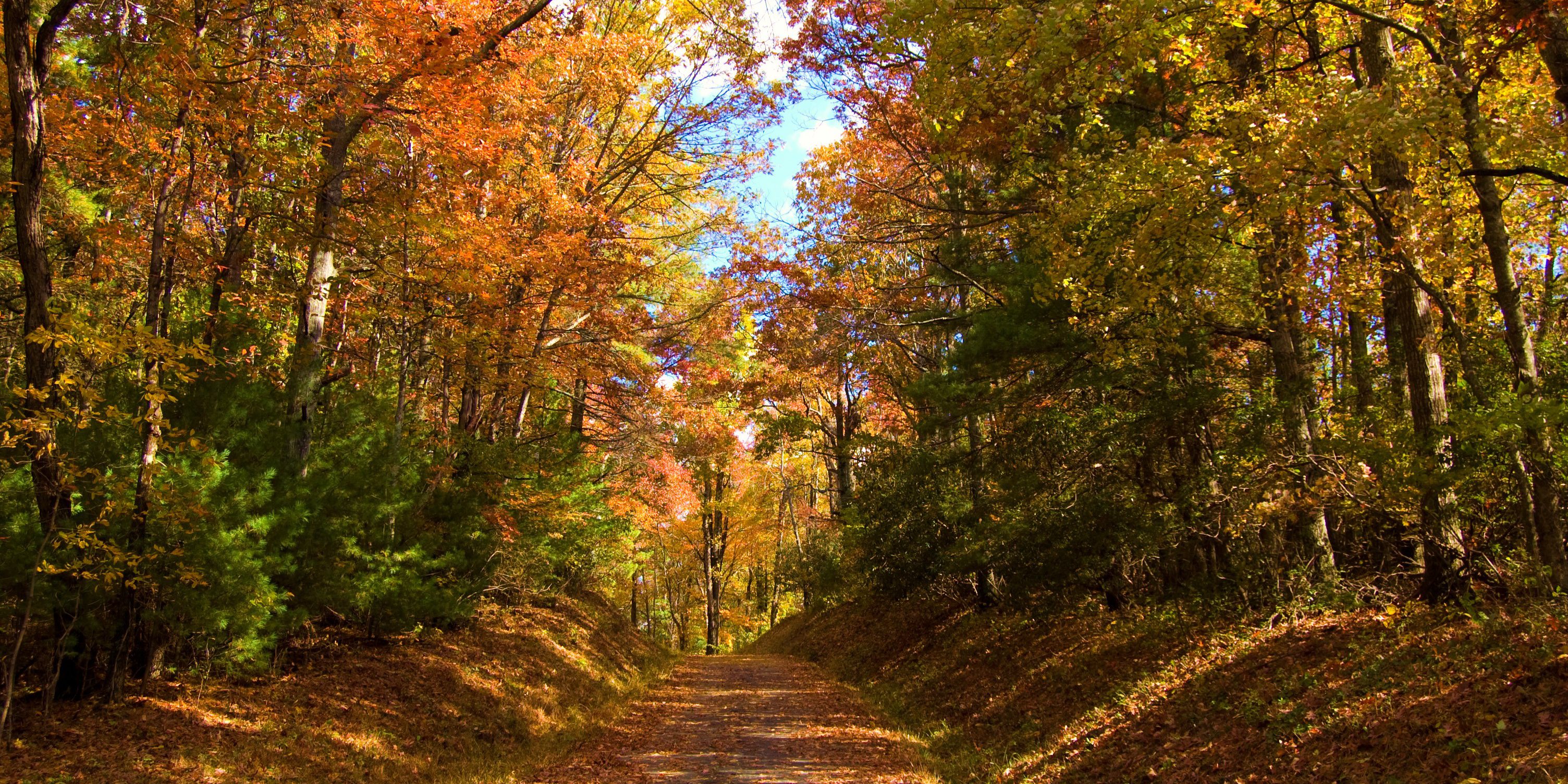
Great Smoky Mountains National Park busiest months are June, July, and October. (With May, August, and September being close seconds.) A visit during the fall can be a very special time to be there, but be prepared to fight for parking spaces and campsites.Reservations are key! To avoid crowds, consider planning your trip during the shoulder season.
Topography can drastically affect local weather conditions. Depending on the time of year and the elevation, you could experience three seasons in a single day.
Great Smoky Mountains National Park Weather
- Temperatures can vary 10-20 degrees between the mountain base and its peak.
- Clear skies near the base do not guarantee equally pleasant weather at higher elevations.
- Rainfall averages 55 inches annually in the lowlands to 85 inches annually at Kuwohi, the highest point in the park.
- Trip planning and weather-appropriate clothing will help ensure an enjoyable visit during any season!
Notes for Each of the Four Seasons
- Spring. March through May brings unpredictable weather. Changes occur rapidly. Sunny skies can yield to snow flurries in a few hours.
- Summer. June through August means heat, haze, and humidity. Afternoon showers and thunderstorms are common.
- Autumn. September through mid-November welcomes cooler weather that signals the onset of the fall color season. Warm days alternate with cool nights. *Note: This is also hurricane season in the Southeast.
- Winter. Mid-November through February is generally moderate, but weather extremes do occur, especially at higher elevations. It is not unusual to have warm temperatures in the valleys and snow on the summits.


Insider Tips!
Popular Programs, Tours, & Festivals
Ranger-Led Tours. From hikes and walks to lectures and programs on natural and cultural history, these programs bring the park to life. Join Rangers to search for salamanders and aquatic insects. Go on wildflower, fern, or tree identification walks. And even visit the air quality monitoring station to learn of the dangers that are impacting this park.
Historic Buildings & Areas. Visit the five historic areas with nearly 100 structures preserving Southern Appalachian heritage, as well as 160 family cemeteries with nearly 5,000 gravestones. Some are even listed in the National Register of Historic Places.
Annual Programs. The Music in the Mountains festival (July 10 – August 3, 2025) shares the rich musical traditions of the Southern Appalachians. The Smokies Harvest Celebration (mid-September through late November) offers traditional autumn activities that were an important part of rural life including interactive demonstrations such as sorghum-processing, blacksmithing, apple cider pressing, broom-making, and woodworking. And, the Festival of Christmas Past celebration (December) offers old-time music, harp singing, storytelling, children’s activities, and craft demonstrations such as weaving, spinning, quilting, and basket making.
Special Travel Note for 2024-2026
Great Smoky Mountains National Park was hit hard by Hurricane Helene in late September 2024, temporarily closing numerous roads, trails, and campgrounds. While the park staff and volunteers are working hard to make necessary repairs, be sure to check the status of the park’s roads, facilities, and trails before you go. Few are able to see Great Smoky Mountains National Park in a single visit, so choose what you will explore on your first visit. Then leave plenty for future visits down the road. If this is your first time visiting this iconic park, we recommend planning to stay at least a week.
Freedom in a Can
You might also like


